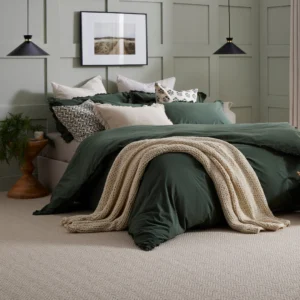
Choosing new flooring shapes how a room feels every single day. The LVT vs carpet question comes up in almost every home we help across Lancashire. Both options look great. Both suit family life. They simply do different jobs.
This guide breaks down cost, comfort, cleaning and durability in plain terms. You will know which floor fits each room by the end. We fit both every week, so the advice here comes from real homes near Burnley, not a brochure.
What is the main difference between LVT and carpet?
LVT stands for luxury vinyl tile. It is a hard, water resistant floor that copies the look of wood or stone. Carpet is a soft textile floor that adds warmth and quiet underfoot.
LVT wins on cleaning and water resistance. Carpet wins on comfort and warmth. The right choice depends on the room, your household and how much traffic the floor takes each day.
Modern LVT also comes in two main forms. Glue down planks bond to the subfloor for a solid feel. Click fit planks lock together over a thin underlay and sit as a floating floor. Both look the same once down, so the choice often comes down to your subfloor and budget.
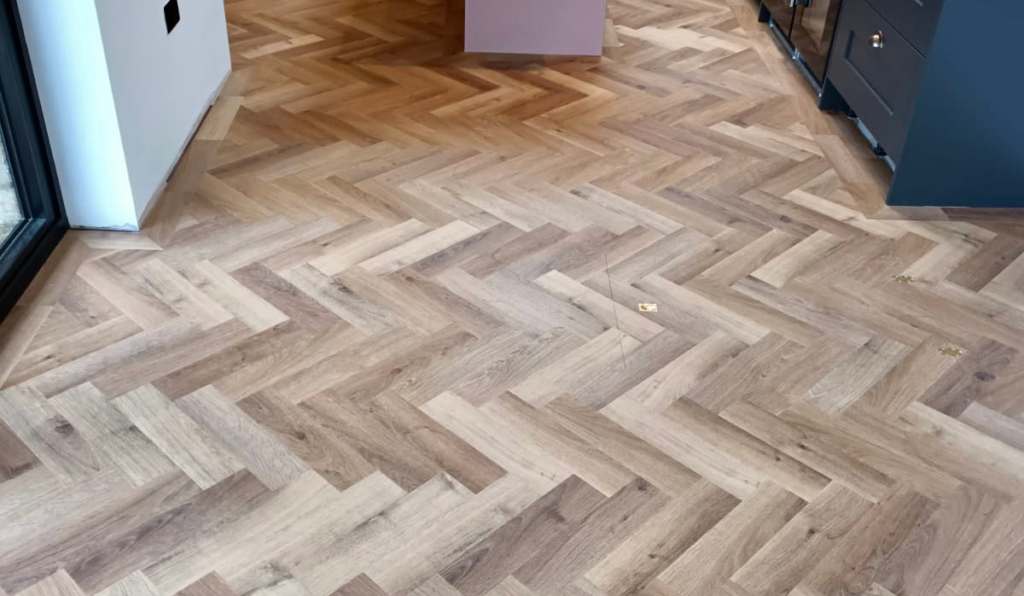
Carpet ranges vary just as much. Loop pile resists crushing and suits stairs and halls. Twist pile feels soft and hides footprints well in lounges and bedrooms. Wool blends cost more but spring back beautifully, while man made fibres clean easily and keep prices low.
You can see both side by side in our Carpets & Flooring department. Standing on each one tells you more in two minutes than any spec sheet.
Is LVT or carpet better for busy family homes?
LVT suits busy homes with children, pets and muddy boots. Spills wipe up with a damp cloth. Pet claws and dropped toys rarely leave a mark. Hallways, kitchens and dining areas all benefit.
Carpet still has a place in family homes. Bedrooms and lounges feel cosier with a soft floor. Carpet also softens noise, which matters in busy households with stairs and landings.
Which rooms suit LVT?
- Kitchens and utility rooms, where water and spills are common
- Hallways and entrances, which take the most foot traffic
- Dining areas, where chairs scrape and crumbs fall
- Open plan spaces that flow into a kitchen
Which rooms suit carpet?
- Bedrooms, where warmth underfoot starts the day well
- Lounges and snugs, for comfort and a softer feel
- Stairs and landings, where carpet adds grip and cuts noise
If you are styling a lounge around a new floor, our Sofas & Living Room range helps you match colour and texture so the whole room works together.
How do LVT and carpet compare on cost?
Carpet often costs less to buy at entry level. Budget ranges start low and still feel soft and warm. Wool and twist piles cost more but last longer in heavy use.
LVT usually costs more per square metre, yet it can prove cheaper over time. A good LVT floor handles years of traffic without flattening or staining. You replace it less often, which spreads the cost.
Fitting matters too. LVT needs a smooth, level subfloor, so preparation can add to the price. Carpet fits over underlay and forgives minor floor flaws. Ask for a full fitted quote rather than a material price alone.
Which flooring is easier to clean and maintain?
LVT is the clear winner for easy cleaning. A sweep and a damp mop keep it fresh. It resists stains, water and pet accidents, which makes it ideal for homes with dogs.
Carpet needs more care. Regular vacuuming keeps the pile healthy. Spills need quick attention, and a deep clean every year or two keeps colours bright. Stain resistant ranges have improved a lot and cope well with family life.
Allergy sufferers often prefer LVT, as it holds less dust and pollen. A good vacuum and the right carpet type still suit most households, so do not rule carpet out on this alone.
Does carpet or LVT last longer?
Both last well when you choose quality and fit them properly. LVT typically carries long wear warranties and shrugs off scratches and water. It suits high traffic zones for many years.
Carpet life depends on the pile and the traffic. A dense wool twist on a quiet landing can last well over a decade. A cheaper pile in a busy hall wears faster. Match the grade to the room and it rewards you.
Bedrooms tend to be gentler on flooring, so a softer carpet works beautifully there. Pair it with storage and a frame from our Beds & Bedroom Furniture department to finish the room.
Can you mix LVT and carpet in one home?
Yes, and most homes do. Many Lancashire families fit LVT through the kitchen, hall and dining area, then carpet the bedrooms and lounge. This gives you easy cleaning where you need it and comfort where you relax.
Plan the transitions carefully. A neat threshold strip between LVT and carpet keeps the join tidy and safe. Our fitters handle these joins every day, so the change of floor looks deliberate, not accidental.
Think about colour flow too. Keep tones in the same family across rooms. A warm oak LVT sits happily next to a soft grey carpet, and the home feels connected rather than chopped up.
Which floor is better for comfort and noise?
Carpet leads on comfort by a clear margin. The soft pile cushions every step and feels kind on bare feet. Older relatives and young children both appreciate that softness, and a fall on carpet is gentler than on a hard floor.
Noise is the other big factor. Carpet absorbs sound, so footsteps and voices stay quiet. This matters most on stairs, landings and upstairs rooms. LVT reflects sound, though a good acoustic underlay reduces the difference in a busy home.
Think about how each room sounds as well as how it looks. A hard floor in a large open space can echo. A soft floor in the same room calms the whole atmosphere and makes it feel more relaxed.
How do looks and style compare?
Both floors offer huge choice on style. LVT copies wood, stone and tile with impressive realism. You get the look of oak or slate without the cost or upkeep of the real thing, and the planks stay flat and even.
Carpet brings colour, pattern and texture that hard floors cannot match. A deep pile in a warm tone makes a bedroom feel snug. A patterned runner adds character to a staircase. Carpet shapes the mood of a room as much as the furniture.
Whichever you choose, think about the whole room scheme. Match the floor tone to your walls, curtains and furniture so nothing fights for attention. Bringing a cushion or paint sample to the showroom helps you judge the match in real light.
What about fitting and preparation?
Good fitting protects your investment in either floor. LVT demands a clean, dry and level subfloor. Any bumps or dips show through over time, so the team often levels the base first. This step adds a little cost but keeps the finish flawless.
Carpet is more forgiving of an uneven floor. A quality underlay smooths minor flaws and adds comfort, warmth and life to the carpet above. Never skimp on underlay, as it does much of the hard work you never see.
Always ask about offcuts, doors and thresholds. A skilled fitter trims doors to clear a new floor and finishes every edge neatly. Our team handles these details, so the job looks complete from the first day you walk on it.
Frequently Asked Questions
Is LVT warmer than carpet?
No. Carpet feels warmer underfoot because the pile traps air and holds heat. LVT feels cooler, though it works very well with underfloor heating. For bedrooms, many people still prefer the cosy feel of carpet first thing in the morning.
Is LVT or carpet better for homes with dogs?
LVT suits dog owners best. It resists scratches, mud and accidents, and it wipes clean in seconds. If you want to compare pet friendly ranges in person, visit the carpet and flooring showroom and bring your questions about claws and cleaning.
Does LVT add value to a home?
Quality flooring helps a home present well to buyers. LVT looks smart, modern and clean, which appeals in kitchens and living areas. Fresh, well fitted carpet in bedrooms also leaves a strong impression during viewings.
How do I measure for new flooring?
Measure the length and width of each room at the widest points, then add a small margin for fitting. For tricky shapes, our team measures for you and checks the subfloor. This avoids waste and gives an accurate fitted price.