The best blinds for kitchens and bathrooms are the ones made for the conditions. Steam, condensation, splashes and cooking grease can quickly spoil the wrong material, so this is one occasion when practicality needs to come before appearance alone.
Faux wood and aluminium venetians, moisture-resistant roller blinds and PVC vertical blinds are all sensible choices. They are durable, easy to clean and far better suited to humid rooms than absorbent fabrics or real wood.
That does not mean you have to settle for something plain or clinical. There is a wide choice of colours, finishes and operating systems available. The important part is choosing a blind that looks right and will still look right after years of everyday use.
You can compare materials and see full-size samples in the Curtains, Blinds and Shutters department at Pendle Village near Burnley.
What Kitchens and Bathrooms Do To A Blind
Kitchens produce heat, steam and airborne grease. That grease travels further than most people expect and settles as a fine film on nearby surfaces. On an absorbent or heavily textured blind, it traps dust and becomes increasingly difficult to clean.
Bathrooms create a different problem. Warm, moist air condenses on cooler surfaces, particularly windows. A blind positioned close to the glass can remain damp long after the shower has been switched off. Over time, that can cause staining, mildew or mould on unsuitable fabrics.
Both rooms are also prone to splashes. Whether the window is behind a kitchen sink, beside a bath or close to a shower, the blind needs to cope with regular contact with water without swelling, marking or holding moisture.
What Are The Best Blinds For A Kitchen?
For most kitchens, the best options are faux wood or aluminium venetians, moisture resistant roller blinds and perfect fit systems. The right choice often depends on where the window is situated in relation to the sink or hob.
Faux Wood And Aluminium Venetian Blinds
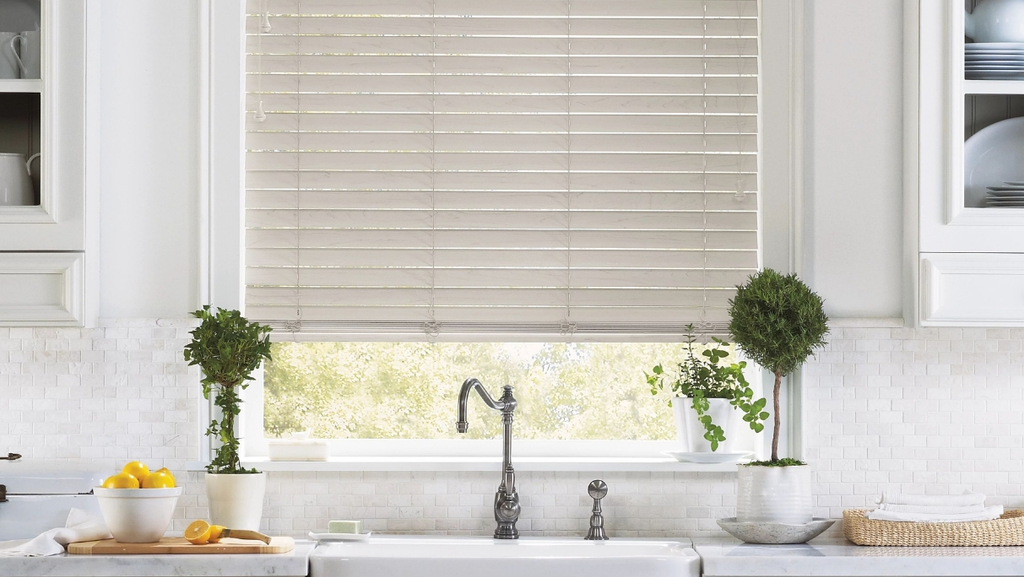
Faux wood venetians are one of the best all-round choices for a kitchen. They give you the appearance of painted timber but are made from materials that cope much better with moisture and changes in temperature.
The slats can be wiped with a damp cloth, which makes them far easier to keep clean than a fabric blind. They also tilt, allowing you to reduce glare or create privacy without losing all the natural light.
A 50mm slat suits many standard kitchen windows and gives a clean, contemporary finish. Decorative fabric tapes can look attractive, but plain ladder cords are usually the more practical choice in areas where grease and splashes are likely.
Not every faux wood range has exactly the same composition, so always check that the chosen product is recommended for kitchens and other humid rooms.
Moisture Resistant Roller Blinds
A moisture-resistant roller blind is a simple, neat and cost-effective option. It works particularly well on a window that is away from direct heat and the busiest cooking area.
Choose a smooth, wipeable material rather than an open or heavily textured weave. Smooth surfaces are less likely to hold grease and are much easier to clean.
If you need extra privacy or light control, moisture-resistant blackout fabrics are available. Check the fabric specification rather than assuming every blackout blind is suitable, because blackout describes its light-control properties, not its resistance to moisture.
Perfect Fit Blinds
Perfect Fit is a fitting system rather than a single type of blind. The blind sits within a frame attached to compatible window beading, so it fits closely against the glass and moves with the window or door when opened.
This can be an excellent solution above a kitchen sink, on a tilt-and-turn window or on a glazed back door where a conventional free-hanging blind could get in the way. The system also avoids loose operating cords, making it a practical option in a busy family kitchen.
Window and door compatibility needs to be checked before ordering, as the system will not suit every frame or glazing bead.
Aluminium Venetian Blinds
Aluminium venetians are another useful kitchen option. They are slim, moisture-resistant and easy to wipe down, making them well suited to smaller windows or a clean, modern interior.
They also provide excellent control over privacy and daylight. As with any blind, keep them clear of direct heat, naked flames and cooking areas where heavy grease deposits are unavoidable.
What Are The Best Blinds For A Bathroom?
The best bathroom blinds are non-absorbent, easy to wipe and able to dry quickly. Moisture-resistant rollers, aluminium venetians, suitable faux wood blinds and PVC verticals can all work well.
Waterproof or Moisture-Resistant Roller Blinds
A waterproof or moisture-resistant roller blind is often the simplest choice for a bathroom. It provides privacy, takes up little space and can be wiped clean easily.
Look for a fabric specifically described by the manufacturer as suitable for bathrooms. A standard polyester roller may cope in a well-ventilated cloakroom, but it is not the same as a material designed for regular exposure to condensation and splashes.
Aluminium Venetian Blinds
Aluminium venetians tolerate humidity well and allow precise control over privacy and light. They are especially useful on overlooked bathroom windows because the slats can be angled without leaving the window completely exposed.
Darker finishes can show dried water marks more readily, so white, cream or pale grey may be easier to maintain in a frequently used bathroom.
Faux Wood Venetian Blinds
Faux wood can give a bathroom a warmer, more furnished appearance than aluminium or PVC. It is a good option provided the particular range is approved for humid rooms.
Check the product specification carefully. Materials sold under the broad description of “faux wood” can vary, and products containing a significant proportion of natural timber may not perform in the same way as a fully moisture-resistant composite.
PVC Vertical Blinds
PVC vertical blinds are particularly practical for wider bathroom windows. The louvres do not absorb moisture, can be wiped individually and can be tilted to balance privacy with daylight.
They are less commonly chosen for small bathroom windows, but on a wide or tall opening they can be a very sensible solution.
Blinds To Avoid in Damp or Greasy Areas
Some materials can work beautifully elsewhere in the home but are less suitable in a kitchen or bathroom.
Real Wood Venetian Blinds
Real wood can absorb moisture and may swell, twist or split when repeatedly exposed to humidity. It may be suitable in a large, well-ventilated kitchen well away from the sink and hob, but it would not be our first recommendation for a steamy bathroom.
Roman Blinds
Roman blinds bring softness and colour to a room, but their fabric, lining and folds can trap moisture, grease and dust. They can work in a larger kitchen when positioned away from the cooking and washing areas, but they are rarely the most practical choice beside a sink or in a regularly used bathroom.
Cotton, Linen and Other Absorbent Fabrics
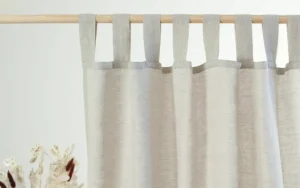
Natural fabrics can mark when splashed and may lose their shape in persistent humidity. Cleaning can also be difficult, particularly when the material cannot be removed and washed easily.
If you want the look of fabric, ask to see purpose-made moisture-resistant materials that provide a softer appearance without the same maintenance concerns.
Blind Safety And Window Clearance
Safety should be considered alongside colour and material. New blinds with looped cords or chains must include an appropriate child-safety device. That device needs to be installed correctly, and cords or chains must remain secured and out of children’s reach.
Cordless and Perfect Fit options are worth considering in family homes because they remove loose control loops altogether.
In a kitchen, every part of the blind should also be kept safely away from naked flames, hot appliances and cooking surfaces. A blind fitted too close to a hob will be difficult to keep clean and may be exposed to unnecessary heat.
Check the window handle and opening direction before ordering. Kitchen and bathroom windows are opened regularly, and a blind that catches the handle or prevents the window opening properly will quickly become frustrating.
Tiled window reveals also need careful measurement. Tiles can reduce both the width and depth of a recess, and the opening may not be perfectly square. Measure the width and drop in three places and use the smallest measurement, following the measuring guidance for the product or arrange a professional survey for complete peace of mind.
What About Utility Rooms And Downstairs Toilets?
Utility rooms often face more moisture and splashing than the kitchen. Washing machines, tumble dryers, sinks and damp laundry all add humidity, while the window is frequently positioned directly above a worktop. PVC, aluminium, faux wood or another approved moisture-resistant material will usually be the safest choice.
In a downstairs toilet or cloakroom, privacy tends to matter more than light control. A simple moisture-resistant roller blind in a light colour keeps the room bright, provides privacy when needed and is easy to maintain.
How To Keep Kitchen and Bathroom Blinds Clean
Regular light cleaning is far easier than removing a heavy build up of grease or mildew later.
For faux wood, PVC and aluminium blinds, use a soft cloth with warm water and a small amount of mild washing-up liquid. Avoid abrasive cleaners, solvents and scouring pads, as these can damage or dull the finish. Always follow the manufacturer’s cleaning instructions for the particular product.
In a bathroom, allow the blind and window area to dry after bathing or showering. Raise the blind when privacy is no longer needed, open the window where practical and run the extractor fan for long enough to clear the humid air.
For venetian blinds, tilt the slats closed and wipe one side before reversing the tilt and cleaning the other. A microfibre cloth usually works better than a feather duster because it lifts the dust instead of moving it around.
Choosing The Right Blind In Store
Photographs are useful, but they cannot show you how a material feels, how easy it is to wipe or how its colour changes in different light. Seeing the samples in person makes the decision much easier.
Bring a photograph of the window and a note of the approximate width and drop when you visit. It also helps to show where the sink, bath, shower, hob and window handles sit. The team can then steer you towards materials and systems that are suitable for the room, rather than simply the colour that looks best on a sample card.
Visit the made-to-measure blinds department at Pendle Village to compare practical, easy to clean options and discuss the right fit for your kitchen or bathroom.
Planning a Wider Kitchen or Bathroom Update?
If the new blind is part of a wider kitchen or bathroom refurbishment, it makes sense to consider the flooring and window finishes together. Both need to cope with moisture, regular cleaning and everyday wear.
You can compare suitable options in the Carpets and Flooring department during the same visit to Pendle Village. Looking at the colours and finishes together will also help you create a more coordinated result.
Bring a photograph of the room and your approximate window measurements when you visit the made-to-measure blinds department. The team can then recommend practical materials, show you suitable samples and provide an initial quotation.
Frequently Asked Questions
Can I put a wooden blind in a bathroom?
Real wood is not normally recommended for a bathroom because repeated exposure to steam and condensation can cause it to swell, warp or split. A moisture-resistant faux wood blind gives a similar appearance and is usually much better suited to the conditions.
What is the best blind for a window above a kitchen sink?
A compatible Perfect Fit blind or a short, moisture-resistant roller blind is usually a practical choice. Both can sit neatly at the window and avoid excess fabric around the worktop. The final choice will depend on the frame, handles and the way the window opens.
How can I help prevent mould or mildew on a bathroom blind?
Choose a non-absorbent or moisture-resistant material and make sure the room is ventilated properly. After a shower or bath, allow both sides of the blind to dry and use the extractor fan or open the window where possible. Regular cleaning also prevents soap residue and dust from creating a surface on which mould can develop.
Are Blackout Blinds Suitable for a bathroom?
They can be, but only when the material is specifically suitable for humid rooms. “Blackout” describes how well the blind blocks light; it does not automatically mean the fabric is waterproof or moisture-resistant. Always check the manufacturer’s specification before ordering.
Pendle Village has more than 20 departments in store if you want to compare finishes across rooms in one trip.